Dog Skin Conditions
When you run your hand through your dog's coat, does it feel rougher than usual? Maybe you've noticed little white flakes scattered across their bedding, or their once-shiny fur now looks dull and lacklustre. If this sounds familiar, your dog might be dealing with dry skin.
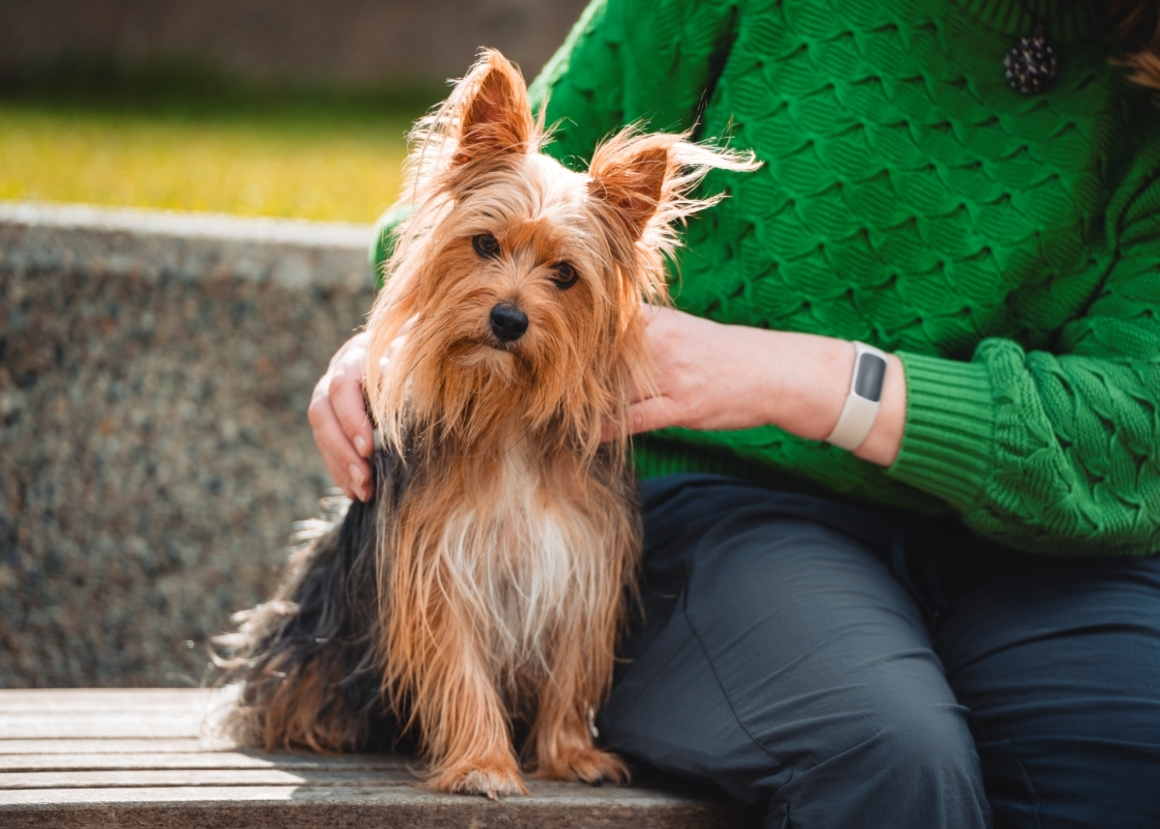
While it's easy to dismiss flaky skin in dogs as just a cosmetic issue, dry skin can actually make your dog uncomfortable and, if left unaddressed, may lead to more serious skin problems. The good news? You're not alone, and there are gentle, effective ways to help. With the right care, you can soothe your dog's skin and bring back that healthy shine to their coat.
What does dry skin in dogs actually look like?
Recognising dry skin in dogs may be easier than you think, once you know what to look for. The most obvious sign is often what looks like dandruff — small, white or greyish flakes that you might notice on your dog's coat or scattered around their favourite resting spots. This dog dandruff is essentially dead skin cells that are shedding more rapidly than normal.
But dogs with flaky skin may show other signs too. Their coat might lose that healthy shine and start looking dull. When you pat them, their fur might feel rougher or more brittle than usual, almost like it needs a good conditioning treatment. Some dogs with dry skin will also scratch more frequently.
You might also notice that certain areas seem more affected than others. The back, shoulders and sides are common spots where dry skin becomes most visible, particularly where the coat naturally parts or where you can easily see down to the skin level.
Dry skin in dogs often shows up as dandruff-like flakes, a dull coat and rough fur — clear signs your dog's skin needs extra care.
Why does dry skin happen in the first place?
Just like humans, dogs can develop dry skin for several different reasons. Environmental factors can play a role, especially during certain seasons. Indoor heating during colder months can significantly reduce humidity levels, leaving your dog's skin feeling tight and uncomfortable. Air conditioning in summer can have a similar effect, creating a dry environment that draws moisture away from their skin. With a little awareness, you can help keep their skin nourished and their coat healthy all year round.
Your dog's diet also plays a crucial part in skin health. Dogs may benefit from essential fatty acids, particularly omega-3 and omega-6, which can help support healthy skin and coat. If their food lacks these nutrients, or if it's been stored improperly and the oils have gone rancid, their skin can suffer as a result.
Sometimes, dry skin develops simply because of over-bathing or using the wrong products. While keeping your dog clean is important, bathing them too frequently or using harsh shampoos may strip away the natural oils that keep their skin moisturised and protected.
Age can be another factor. Just as our skin tends to become drier as we get older, senior dogs often experience changes in their skin's ability to retain moisture.
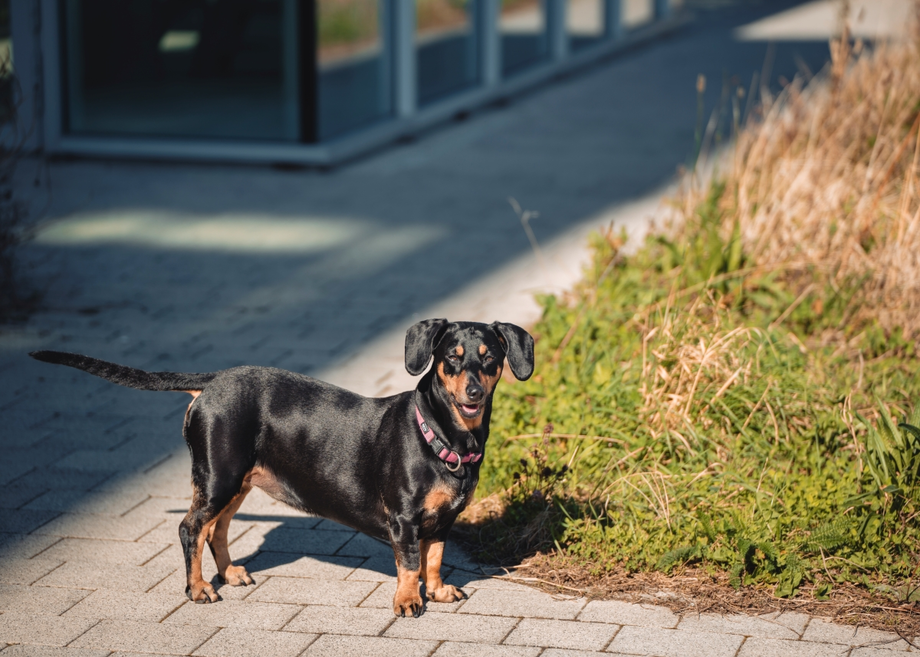
Simple steps that might improve your dog's skin health
The encouraging news about dull coats and dry skin in dogs is that you may often see improvements with some straightforward changes to their routine, though it's worth discussing these options with your vet first.
Dietary improvements may make a significant difference. Adding a high-quality omega-3 and omega-6 supplement to your dog's diet could help restore the skin barrier and increase the natural moisture content of the skin. These supplements designed for dogs are widely available, but always check with your vet about the right dosage for your dog's size to ensure maximum efficacy and safety for your pet. If you prefer food-based solutions, switching to a premium dog food that lists specific omega fatty acids in the ingredients might also help.
Grooming adjustments could be equally important for restoring your dog's healthy coat. Regular brushing may help distribute natural oils throughout their coat and remove dead skin cells before they become visible flakes. Using a brush appropriate for your dog's coat type, and aiming for gentle, regular sessions rather than occasional intensive grooming, may be beneficial.
Bathing modifications might help prevent further moisture loss. You could try reducing bath frequency — perhaps every 4-6 weeks, though this may vary depending on your dog's individual needs. When you do bathe them, choosing a gentle, moisturising shampoo specifically formulated for dogs might be helpful. Human shampoos are not balanced for canine skin and may worsen dryness.
Environmental changes could also help. You might consider using a humidifier in rooms where your dog spends most of their time, particularly during seasons when indoor air tends to be drier.
When dry skin signals something more serious
While mild dry skin often improves with these simple changes, persistent or worsening symptoms may indicate underlying health issues that need veterinary attention.
If your dog's dry skin doesn't improve after 4-6 weeks of consistent care, or if it's accompanied by intense itching, red or inflamed skin, or an unusual odour, it's time to consult your vet. These signs might indicate allergies, bacterial or fungal infections, or hormonal conditions that require specific treatment.
Similarly, if the dry skin appears suddenly or seems to be getting progressively worse despite your care efforts, there may be an underlying allergy or skin condition that needs to be identified and managed.
Supporting your dog's skin health long-term
Maintaining healthy skin isn't just about treating problems when they arise — it's about creating conditions that support ongoing skin health. This means consistent, gentle care routines, quality nutrition and paying attention to how your dog's skin responds to different environmental conditions.
Remember that skin health reflects overall health. A dog with a shiny, supple coat often reflects good nutrition and overall comfort. By addressing dry skin promptly and appropriately, you're not just improving their appearance — you're supporting their comfort and wellbeing too.
Dry skin in dogs is often manageable with the right care and attention. However, if you're concerned about persistent dryness, changes in your dog's skin condition, or if simple home care isn't providing relief, don't hesitate to take the skin conditions online assessment and visit your vet. They can help determine whether your dog's dry skin is a simple issue or a sign of something that needs more targeted treatment.
Explore more on these topics
Select a country and language
Regulatory constraints and medical practices vary from location to location. Consequently, the information provided on the site in which you enter may not be suitable for use at your location.
Asia Pacific


Europe

België
Nederlands
Belgique
Français

Deutschland
Deutsch

Ελλάδα
Ελληνικά

España
Español

France
Français

Ireland
English

Italia
Italiano

Magyarország
Magyar

Nederland
Nederlands

Polska
Polski

Portugal
Português

Romania
Romanian

Sverige
Svenska

United Kingdom
English
Latin America

Argentina
Español

Brasil
Português

Chile
Español

Colombia
Español

Ecuador
Español

México
Español

Perú
Español
North America

You are visiting Zoetis Pets
What would you like to do?
You are visiting Zoetis Pets
What would you like to do?