Dog Skin Conditions
Whether it's a scratch from a thorny bush on an adventurous walk or a small cut from playing in the garden, minor cuts and abrasions can be part of any dog's active lifestyle.
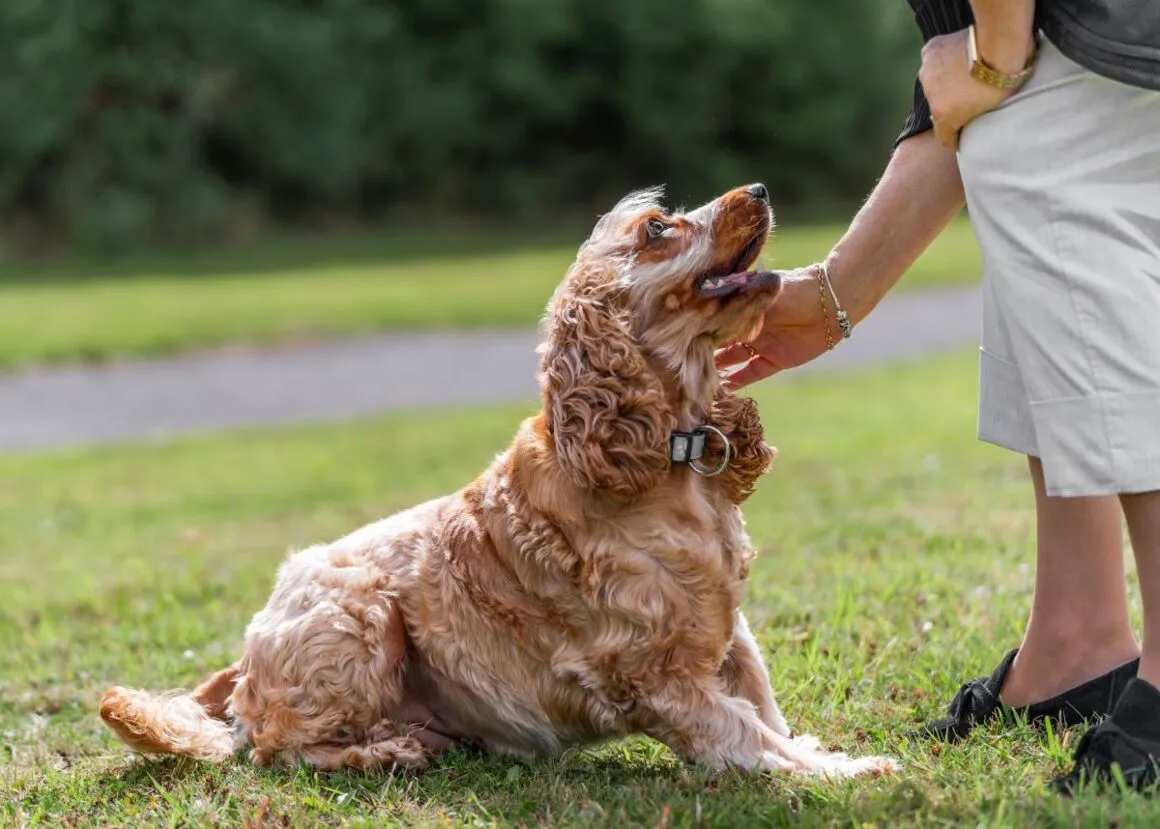
While most small wounds heal without issues, you might be surprised how quickly a simple scratch can turn into a bigger skin problem if not properly cared for. If you find yourself wondering whether that small scrape needs attention or if it will heal on its own, you're not alone — many pet owners face this dilemma when they notice their dog has a minor injury that could potentially develop into a more serious skin condition.
How minor wounds can become major skin problems?
The connection between small injuries and ongoing skin issues might not be immediately obvious, but it's more common than many pet owners realise. When your dog gets a minor cut or scrape, the damaged skin creates an opportunity for bacteria and other microorganisms to establish themselves in ways they normally couldn't on healthy, intact skin.
What starts as a simple scratch could potentially develop into a bacterial skin infection if the wound becomes contaminated or if your dog's natural healing process is compromised. These infections might then spread beyond the original injury site, creating the classic signs of a local infection including redness, pain, heat and swelling. Signs of bacterial infection such as discharge, pus or crusting may also be present.
The situation can become even more complicated if your dog has underlying skin conditions. Dogs with allergies, for instance, might have a compromised skin barrier and a higher rate of bacterial skin colonisation that make them more susceptible to infections from minor injuries.
A tiny scratch can open the door to infection — quick care is key to keeping minor wounds from turning into major skin problems.
The licking and scratching cycle that worsens skin problems
One of the most significant ways minor cuts can evolve into larger skin issues is through your dog's natural response to discomfort. When dogs have a wound, they instinctively want to lick it clean. While this might seem helpful, excessive licking can actually create more problems than it solves.
Constant moisture from licking creates an ideal environment for bacteria and yeast to multiply. This is particularly problematic because many dogs don't stop at gentle cleaning — they might lick, chew and scratch at the area repeatedly, especially if it becomes itchy during the healing process.
This repetitive self-trauma on the wound can prevent proper healing and might actually enlarge the affected area. What started as a small scratch could potentially develop into a 'hot spot' — those angry, red, moist patches that can appear seemingly overnight and cause significant discomfort.
The scratching component can be particularly troublesome because it might indicate that the original wound has become itchy due to secondary bacterial infection causing secondary inflammation.
Underlying skin conditions that complicate healing
Sometimes, frequent minor injuries or wounds that don't heal properly might actually be symptoms of underlying skin conditions rather than just an active lifestyle. Dogs with undiagnosed allergies might scratch themselves enough to create small wounds that then become infected or inflamed.
If you notice that your dog has non-healing wounds or is constantly self-traumatising their skin this might indicate that they're scratching or rubbing against things due to underlying itchiness.
Prevention strategies that support overall skin health
Rather than focusing solely on treating individual wounds, taking a broader approach to skin health might help prevent minor injuries from becoming problematic. Maintaining your dog's overall skin condition through proper nutrition, appropriate bathing schedules (including using medicated shampoos when recommended by your veterinarian), and management of any known allergies can support faster, more effective healing when minor injuries do occur.
Regular grooming and skin checks can help you spot small problems before they become larger ones. This might involve looking for early signs of irritation, checking for embedded thorns or debris after outdoor activities, and being aware of any changes in your dog's scratching or licking behaviours.
If your dog has known skin sensitivities, being extra vigilant about minor wounds might be particularly important, as these dogs may be more likely to develop complications from what would otherwise be insignificant injuries.
When to seek professional guidance
While many minor cuts heal without issues, certain situations might warrant professional attention, particularly if there's a risk of the wound developing into a broader skin problem. Persistent licking at a wound site, signs of spreading redness or inflammation, or the development of additional irritated areas around an injury might all indicate that what started as a simple cut is becoming a more complex skin issue.
If you notice patterns of slow healing, frequent minor injuries or recurring skin problems around wound sites, discussing these observations with your vet might help identify underlying conditions that need addressing.
Minor injuries are part of life for active dogs, but understanding their potential connection to broader skin health can help you provide better care for your dog's overall wellbeing. If you're concerned about wound healing patterns or notice signs that minor injuries might be developing into skin conditions, don't hesitate to take the dog skin conditions assessment and visit your vet for guidance on supporting your dog's skin health.
Explore more on these topics

Select a country and language
Regulatory constraints and medical practices vary from location to location. Consequently, the information provided on the site in which you enter may not be suitable for use at your location.
Asia Pacific


Europe

België
Nederlands
Belgique
Français

Deutschland
Deutsch

Ελλάδα
Ελληνικά

España
Español

France
Français

Ireland
English

Italia
Italiano

Magyarország
Magyar

Nederland
Nederlands

Polska
Polski

Portugal
Português

Romania
Romanian

Sverige
Svenska

United Kingdom
English
Latin America

Argentina
Español

Brasil
Português

Chile
Español

Colombia
Español

Ecuador
Español

México
Español

Perú
Español
North America

You are visiting Zoetis Pets
What would you like to do?
You are visiting Zoetis Pets
What would you like to do?