Dog Arthritis
When your dog is diagnosed with arthritis, it's completely understandable to feel uncertain about exercise. Should they still go for walks? Is it safe for them to run and play? The good news is that appropriate exercise is actually one of the best things you can do for a dog with arthritis.
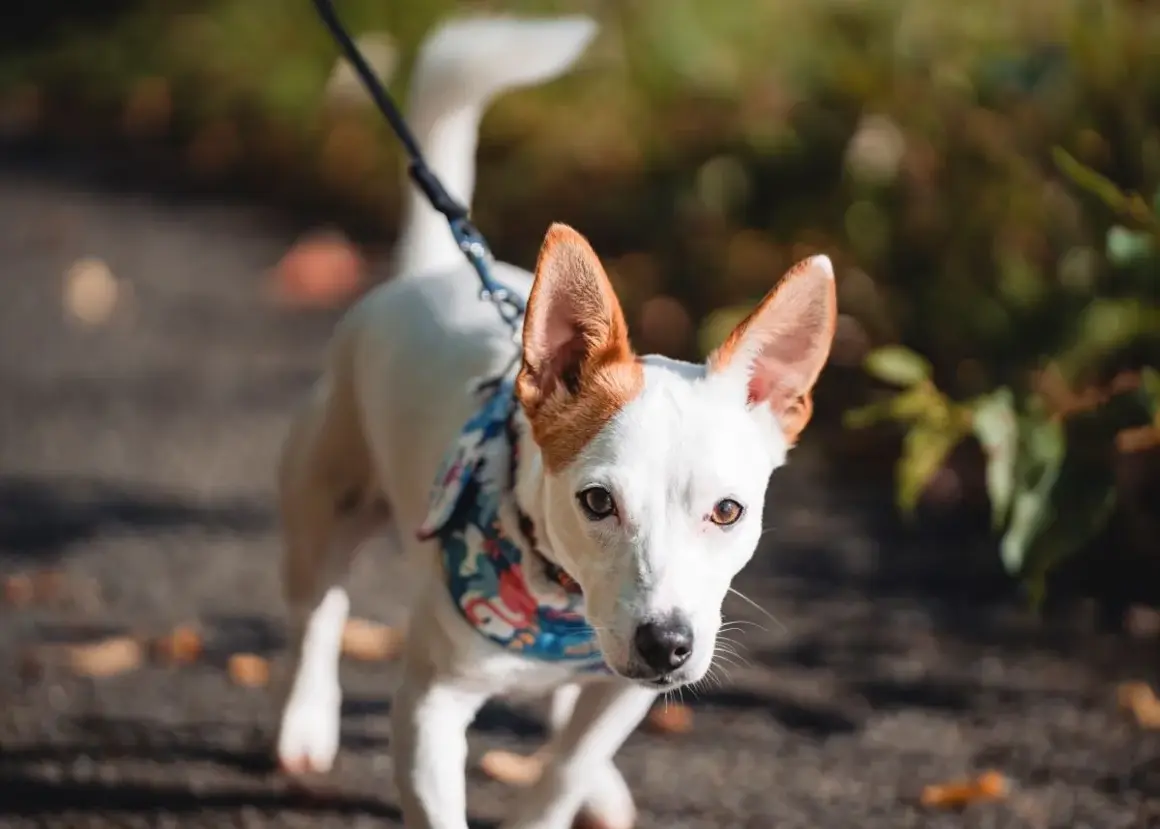
The key word here is "appropriate"; finding the right balance between keeping those joints mobile and avoiding activities that might cause additional stress, discomfort or injury. With the right approach, your arthritic dog can continue to enjoy an active, fulfilling life. As part of a multi-modal treatment plan, strategic movement helps maintain mobility, build strength and support overall wellbeing.
Why exercise matters for arthritic dogs
It might seem counterintuitive, but gentle exercise that arthritic dogs can tolerate is crucial for managing their condition. Movement helps maintain muscle strength, which provides vital support for compromised joints. It also promotes circulation, helping to deliver nutrients to joint tissues and remove waste products that can contribute to stiffness.
Regular, appropriate activity also helps prevent the muscle wastage that often accompanies arthritis. When dogs avoid using painful joints, the surrounding muscles begin to weaken, creating a cycle where joints become even less stable and more uncomfortable.
Perhaps just as importantly, exercise provides mental stimulation and maintains your dog's quality of life. Dogs are naturally active creatures, and finding ways for them to safely express this need is essential for their overall wellbeing.
Gentle, regular exercise isn't just safe for arthritic dogs, it's essential for keeping joints supported, muscles strong and spirits high.
The best exercises for dogs with arthritis
Not all forms of exercise are equally beneficial for dogs living with arthritis. The goal is to choose activities that promote mobility and strength without putting excessive stress on already compromised joints. As part of a thoughtful multi-modal treatment plan, selecting the right types of movement can make a meaningful difference to your dog's comfort and quality of life.
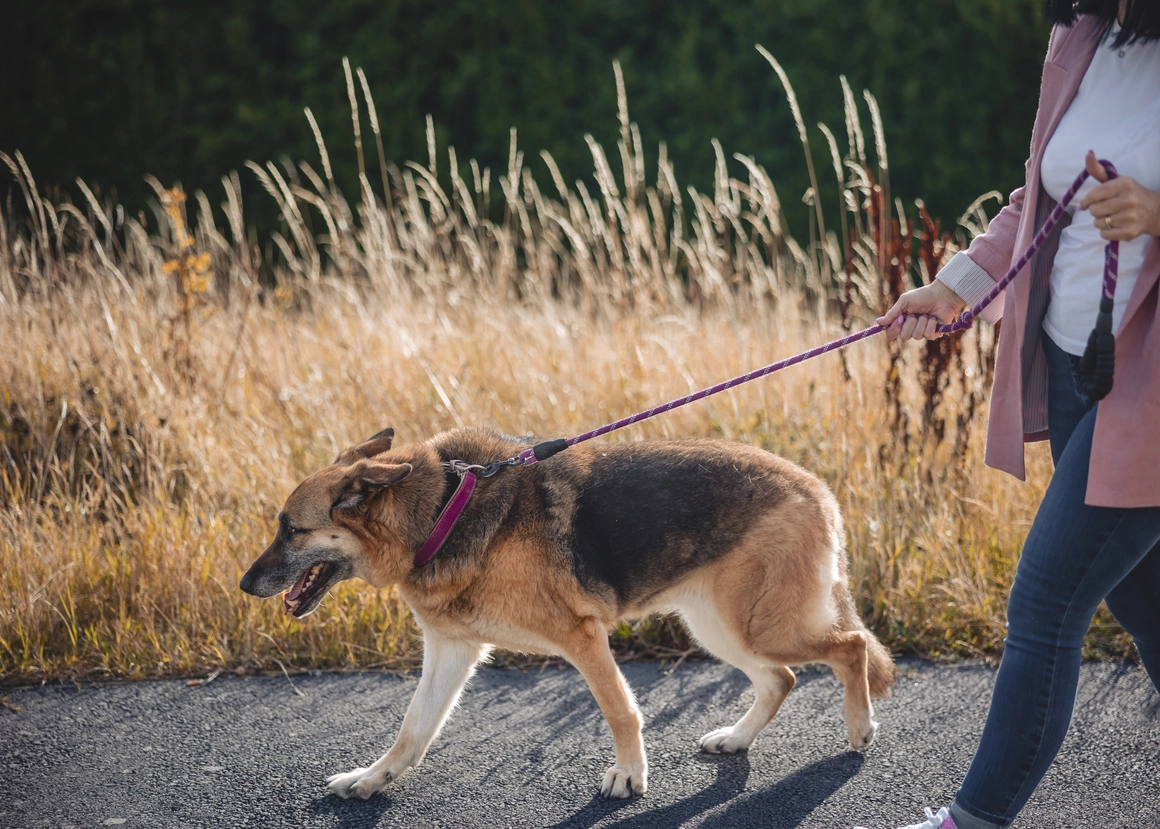
Controlled leash walks form the foundation of any good arthritis exercise routine for your dog. These walks should be at a comfortable pace — think 'gentle stroll' rather than 'power walk'. The controlled nature means you can monitor your dog's response and adjust accordingly. Start with shorter distances and gradually build up as your dog's tolerance improves.
Hydrotherapy for arthritic dogs: While it's often suggested that swimming is helpful exercise for dogs, this may help aerobically, but does not engage the muscles that dogs with arthritis need, to improve their strength. Hydrotherapy — specially designed for dogs — is considered the gold standard of low-impact exercise. The water's buoyancy supports your dog's weight, removing stress from painful joints while still allowing for excellent muscle engagement. Dog hydrotherapy sessions are supervised by a trained professional and can be very beneficial as they guide your dog to do appropriate exercises in the water.
Gentle stretching and range-of-motion exercises can help maintain flexibility. Simple activities like encouraging your dog to reach for treats positioned slightly above or to the side can help keep joints mobile. Your vet or a qualified canine physiotherapist can show you specific techniques appropriate for your dog's condition.
Mental stimulation activities shouldn't be overlooked as part of your exercise routine. Puzzle feeders, scent games and gentle training sessions provide enrichment without physical stress. These activities can tire your dog mentally, which is often just as satisfying as physical exercise.

What to avoid: exercises that can worsen arthritis
Certain activities can put excessive stress on arthritic joints and should generally be avoided or significantly modified.
High-impact activities like jumping, intensive ball games or agility work can jar painful joints and potentially cause further damage. If your dog has always loved fetch, consider switching to gentler versions like rolling the ball along the ground rather than throwing it.
Uncontrolled running on hard surfaces can be problematic. While some gentle jogging on soft surfaces might be acceptable for some dogs, free running on concrete or tarmac should generally be avoided.
Extended hiking or long walks might be too much, even if your dog seems eager. Arthritic dogs often push through discomfort, so it's up to you to set appropriate limits.
Sudden, intense activity after periods of rest can shock stiff joints. Always allow for warm-up time before any exercise session.
Building a sustainable routine
Creating an effective exercise routine for your arthritic dog requires patience and observation. The best routine is one that you can maintain consistently, as irregular exercise can actually be counterproductive.
Start slowly and build gradually. If your dog hasn't been exercising regularly, begin with very short, gentle sessions and slowly increase duration and intensity as their tolerance improves. This might mean starting with just a five-minute gentle walk and building up over several weeks.
Consistency trumps intensity every time. It's better to take your dog for a short, gentle walk every day than to have one longer, more strenuous outing per week. Regular, moderate exercise helps maintain joint mobility and muscle strength more effectively than sporadic intense activity.
Learn to read the signs that your dog has had enough. These might include heavy panting (beyond what's normal for the temperature), lagging behind, sitting down frequently during walks or seeming reluctant to continue. Don't wait for obvious limping — by then, you've probably pushed too far.
Adjust for circumstances. Cold, damp weather might mean shorter walks but perhaps more indoor mental stimulation. During arthritis flare-ups, you might need to scale back temporarily while maintaining some gentle movement.
When to rest and when to move
One of the biggest challenges for owners is knowing when their arthritic dog needs rest versus gentle movement. Both have their place in effective management.
Signs your dog needs rest include obvious limping, swelling around joints, increased stiffness that doesn't improve with gentle movement or general reluctance to move. During these times, enforced rest might be necessary, but this doesn't mean complete inactivity. Gentle, voluntary movement around the house is usually fine.
Using warmth before exercise can help prepare stiff joints for movement. A warm towel applied to affected areas for a few minutes before heading out, or simply allowing your dog to warm up gradually in a heated room, can make movement more comfortable.
Post-exercise monitoring is crucial. Your dog should seem comfortable and relaxed after exercise, not more stiff or uncomfortable. If you notice increased stiffness or reluctance to move in the hours following exercise, it's a sign that you may need to reduce intensity or duration.
Recovery days are essential. Just like in humans, dogs need recovery days too. Dogs with arthritis should have four or five days per week where they actively exercise, and around two rest days (gentle exercise only), to allow recovery. It is important they exercise enough days per week, to start to regain muscle and joint function but also need to have recovery days or they will start to get sore, which will slow their recovery.
Working with your vet to create the perfect plan
Every dog with arthritis is different, and what works for one might not work for another. Your vet is your best partner in creating an appropriate exercise plan tailored to your dog's specific needs and limitations.
If your dog is already on medication for their arthritis, maintaining consistent dosing as prescribed will support their ability to exercise comfortably. If they're not currently on any treatment but seem to struggle with exercise tolerance, discussing options with your vet could open up new possibilities for activity.
Regular check-ups allow your vet to assess how well your current exercise routine is working and make adjustments as needed. They can also help you distinguish between normal post-exercise tiredness and signs that you might be pushing too hard.
Making exercise enjoyable for both of you
Remember, exercise should be enjoyable for both you and your dog. If either of you is dreading it, something needs to change. Consider varying your routes, incorporating new low-impact activities or finding exercise buddies to make the experience more engaging.
Swimming sessions, gentle walks in new locations or even indoor obstacle courses using pillows and blankets can keep things interesting while respecting your dog's limitations.
The goal isn't to return your dog to their pre-arthritis activity level, but to find a sustainable routine that keeps them mobile, comfortable and happy. With patience and the right approach, exercise can remain a positive part of your arthritic dog's daily routine.
If you're unsure about what exercise is appropriate for your dog, or if you notice any concerning changes in their movement or comfort level, contact your vet. Your vet can help you develop a tailored exercise plan that supports your dog's joint health while keeping them active and engaged.
Explore more on these topics

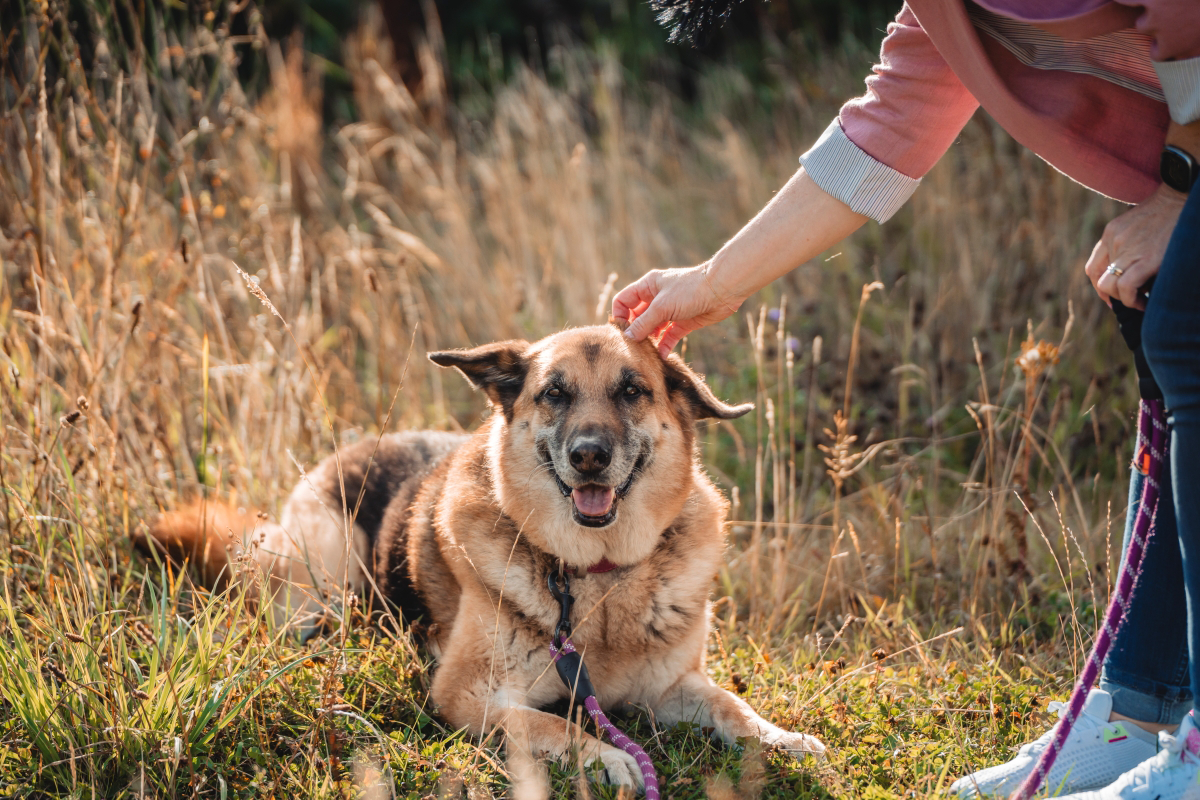

Select a country and language
Regulatory constraints and medical practices vary from location to location. Consequently, the information provided on the site in which you enter may not be suitable for use at your location.
Asia Pacific


Europe

België
Nederlands
Belgique
Français

Deutschland
Deutsch

Ελλάδα
Ελληνικά

España
Español

France
Français

Ireland
English

Italia
Italiano

Magyarország
Magyar

Nederland
Nederlands

Polska
Polski

Portugal
Português

Romania
Romanian

Sverige
Svenska

United Kingdom
English
Latin America

Argentina
Español

Brasil
Português

Chile
Español

Colombia
Español

Ecuador
Español

México
Español

Perú
Español
North America

You are visiting Zoetis Pets
What would you like to do?
You are visiting Zoetis Pets
What would you like to do?