Dog Arthritis
As the air turns cooler and the season starts to change, you might notice your dog seems a bit stiffer getting up from their bed or more reluctant to head out for their usual walk. If your dog has arthritis, winter can be particularly challenging, bringing increased stiffness and discomfort that can leave both you and your furry friend feeling frustrated. While we can't control the weather, there's plenty we can do to help our dogs stay comfortable and mobile throughout the colder months.
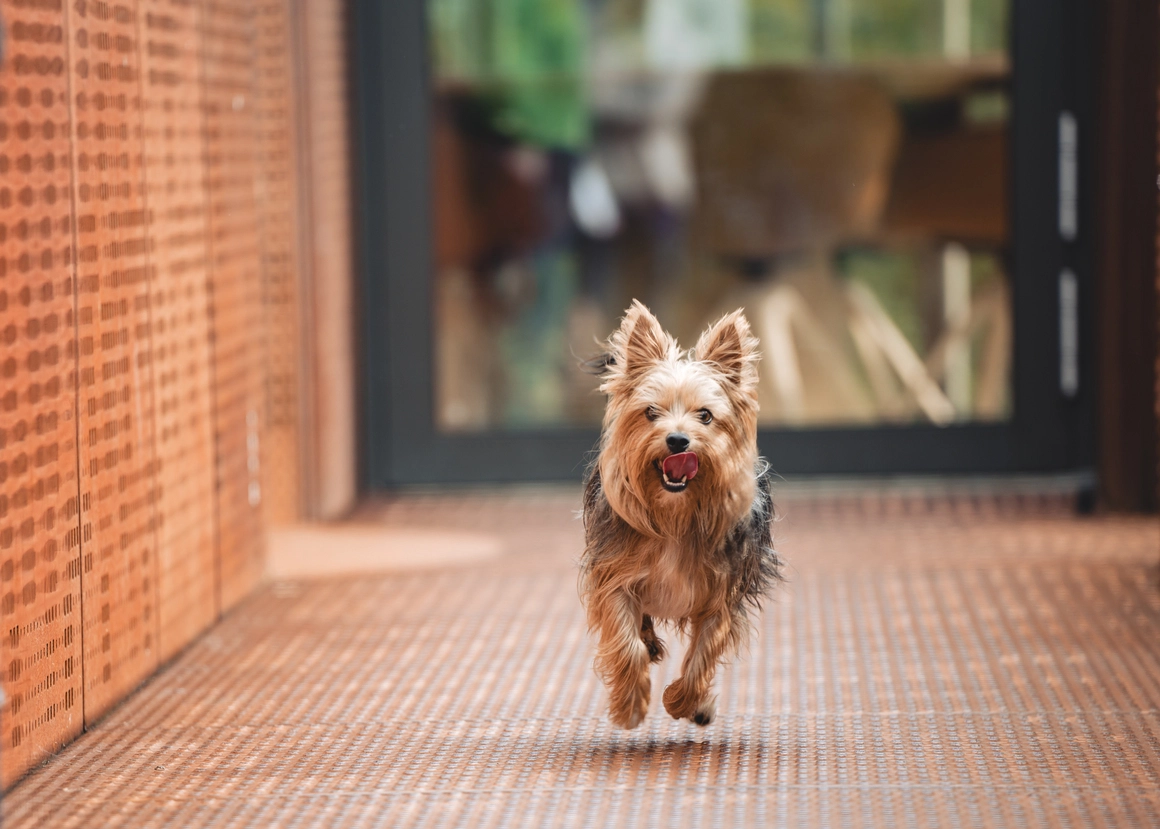
Why does cold weather affect your dog’s arthritis?
Just like their human counterparts, dogs with arthritis often experience increased joint stiffness and discomfort during colder months. When temperatures drop, blood flow to the joints can reduce, making them feel stiffer and more painful. The damp conditions can also affect the air pressure, which may increase the sensation of joint pain.
Additionally, during winter months, dogs (and their owners!) tend to be less active, which can lead to increased stiffness in arthritic joints. Regular, gentle movement helps keep joints mobile, even when colder weather tempts us to slow down. Our dogs often mirror our routines, so a more sedentary lifestyle for us can mean increased stiffness and discomfort for them, too.
During winter months, dogs (and their owners!) tend to be less active. If your usually eager walking companion suddenly seems hesitant about heading out, especially on cold, damp days, this could signal increased joint discomfort.
Spotting the signs: when winter makes arthritis worse
You know your dog best, so you're best placed to notice when the cold weather is affecting their comfort levels. During winter months, look out for:
Increased morning stiffness: Your dog may take longer to get moving after sleeping, appearing particularly stiff when first getting up. This "warming up" period might be more noticeable on cold mornings.
Reluctance to go outside: If your usually eager walking companion suddenly seems hesitant about heading out, especially on cold, damp days, this could signal increased joint discomfort.
Changes in movement: Slower walking, more careful movements on stairs or difficulty jumping onto furniture can all indicate that the cold is affecting their joints.
General grumpiness or quietness: Dogs in discomfort may become less sociable or seem a bit out of sorts—much like we might feel when we're not at our best.
If you notice any worsening of these symptoms, or if your dog seems to be struggling more than usual, it's always worth having a chat with your veterinarian. They can assess whether any adjustments to pain management might help your dog through the winter months more comfortably.
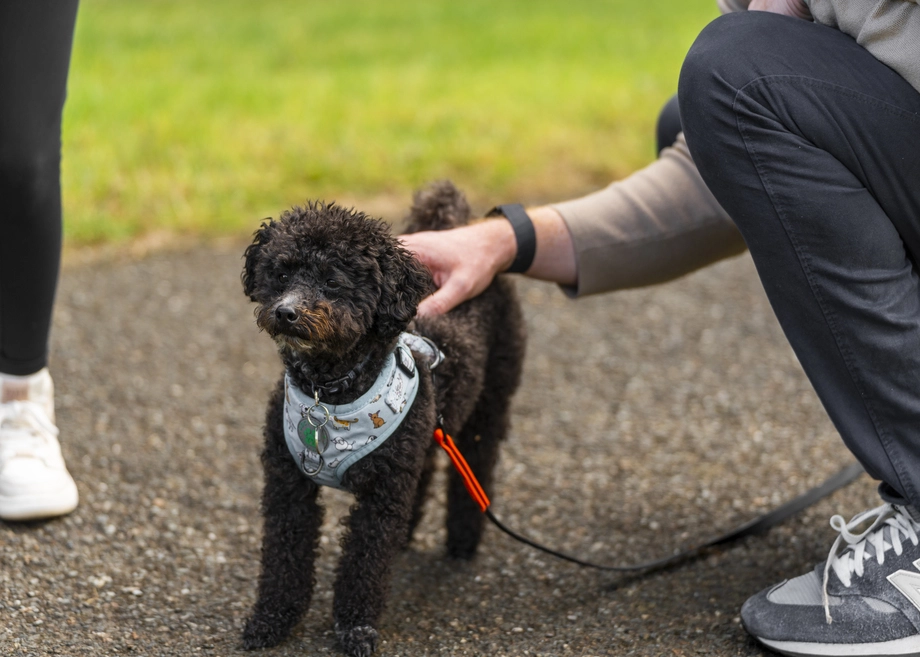
Creating a warmer, more comfortable environment
Small changes around your home can make a big difference to your dog's comfort during the colder months.
Bedding upgrades: Your dog deserves a warm, supportive place to rest, especially as temperatures drop. You can test how supportive a bed is by pressing down with your hand—if it compresses completely, it won't provide enough joint support. Consider adding extra blankets or even a heated pet bed for those particularly chilly nights.
Floor safety: Cold, slippery floors can be daunting for dogs with stiff joints. Non-slip mats or rugs in key areas, like near their bed and food bowls can help prevent slips and give your dog more confidence to move around.
Gentle warm-ups: Just as we might stretch before exercise, your dog can benefit from a gentle warm-up routine. A few minutes of gentle movement around the house or yard before heading out on a walk can help get those joints moving more comfortably.
Adapting exercise routines for winter
Exercise remains important for dogs with arthritis, but winter calls for some thoughtful adjustments to keep your dog comfortable while maintaining their mobility.
Shorter, more frequent walks: Rather than one long walk, consider breaking exercise into smaller, more manageable chunks. This allows your dog to stay active without overexerting stiff joints, and you can both head back inside to warm up between outings.
Timing matters: If possible, try to walk during the warmest part of the day. Mid-afternoon sunshine, even in winter, is a small shift that can make a big difference in how your dog feels.
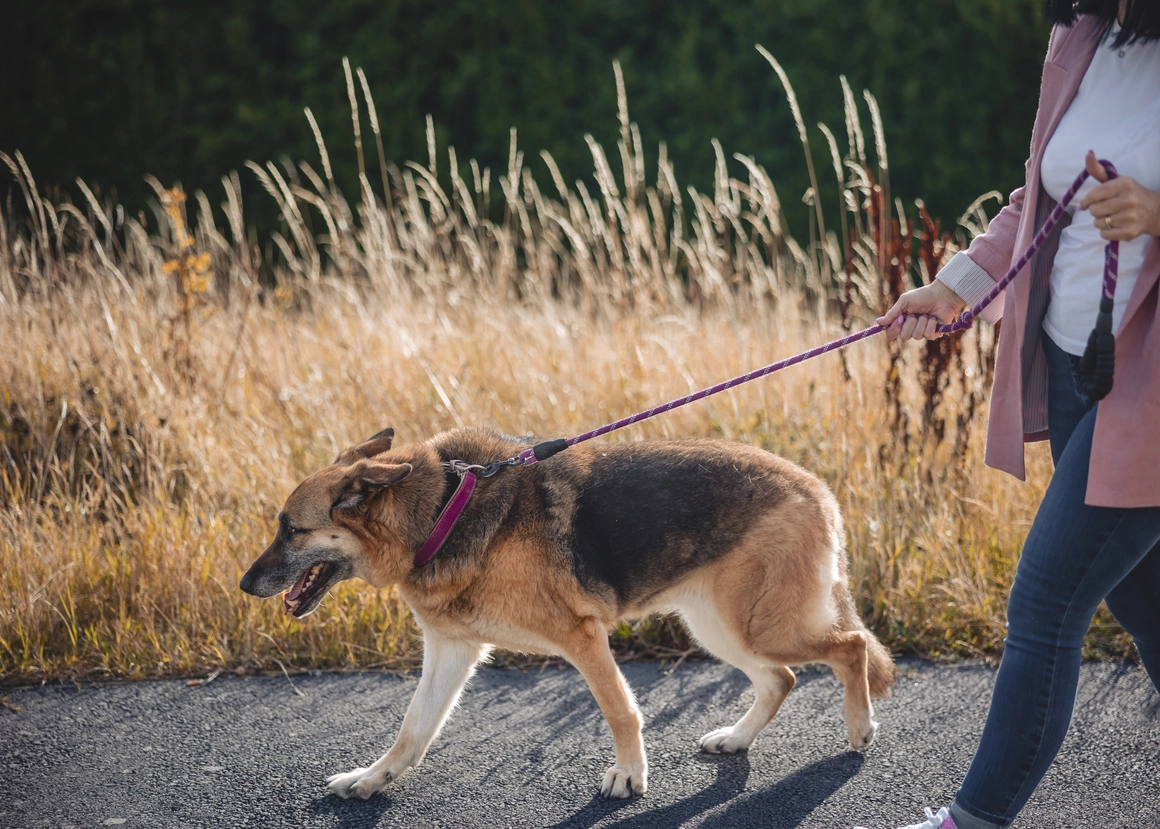
Surface choices: Seek out softer surfaces when possible. Grass or dirt paths tend to be gentler on joints than hard pavements, and avoiding icy or slippery surfaces helps prevent falls that could worsen joint problems. Every step should feel safe and supported.
Indoor alternatives: On particularly harsh days, indoor activities like gentle play, treat-searching games, scent games or even just moving around the house can help keep your dog's joints mobile without braving the elements.
Throughout this winter, consider keeping notes about what worked well and what didn't. Did certain bedding arrangements help? Were there particular times of day when your dog seemed more comfortable?
Medication and weight management in winter
Winter isn't the time to ease up on your dog’s arthritis care. In fact, it's when your attention matters most.
Stick to prescribed medications: If your dog is already on medication for their arthritis, it's crucial to maintain consistent dosing throughout the winter months. Consistency is key to effective management, and any changes should only be made in consultation with your veterinarian. If your dog isn't currently on any medication but seems to be struggling with winter stiffness, this is the perfect time to visit your veterinarian. Together, you can discuss treatment options that could help keep them more comfortable through the colder months.
Watch the winter weight gain: Reduced activity during winter can easily lead to weight gain, which puts additional strain on already uncomfortable joints. Keep an eye on your dog's body condition and consider adjusting their food portions and selecting lower-calorie treats if they're getting less exercise than usual. It's not about restriction, it's about protecting their comfort and mobility.
Regular check-ins with your veterinarian: Winter can be a good time to schedule a check-up to assess how your dog is managing their arthritis and whether any adjustments to their treatment plan might help them through the colder months.
Looking ahead: preparing for next winter
Throughout this winter, consider keeping notes about what worked well and what didn't. Did certain bedding arrangements help? Were there particular times of day when your dog seemed more comfortable? This information can be valuable for planning ahead and discussing with your veterinarian.
Remember, while winter can present challenges for dogs with arthritis, with thoughtful management and a few adjustments, there's no reason your dog can't continue to enjoy life throughout the colder months. Small changes can make a big difference, and your attention to their needs during these challenging months will help ensure they stay as comfortable and mobile as possible.
If you're concerned about how winter weather is affecting your dog's arthritis, or if you notice any worsening of symptoms, don't hesitate to use our arthritis online assessment and contact your veterinarian for guidance. Throughout this winter aim to ensure your dog stays comfortable and pain-free, whatever the weather brings.
Explore more on these topics

Select a country and language
Regulatory constraints and medical practices vary from location to location. Consequently, the information provided on the site in which you enter may not be suitable for use at your location.
Asia Pacific


Europe

België
Nederlands
Belgique
Français

Deutschland
Deutsch

Ελλάδα
Ελληνικά

España
Español

France
Français

Ireland
English

Italia
Italiano

Magyarország
Magyar

Nederland
Nederlands

Polska
Polski

Portugal
Português

Romania
Romanian

Sverige
Svenska

United Kingdom
English
Latin America

Argentina
Español

Brasil
Português

Chile
Español

Colombia
Español

Ecuador
Español

México
Español

Perú
Español
North America

You are visiting Zoetis Pets
What would you like to do?
You're visiting Zoetis Pets
What would you like to do?