
Caring for your cat's health

Cats may act like they live life on their own terms, but they still need looking after – and understanding your cat's behaviour can help you to give them the best care possible. Our vet-approved content has been created to help you better understand your cat's health and their behaviours, so that you can keep them happy and healthy for years to come.

Arthritis in cats

Are they having trouble sleeping, or not quite jumping or playing like they used to? Perhaps they seem a bit more irritated than usual? Changes in your cat's behaviour could be a sign of arthritis pain, which most commonly affects cats over the age of six, but may start earlier* .

40%
of cats globally are affected by arthritis**
61%
of cats 6 years and older show signs of arthritis in at least one joint***
90%
of cats over 12 years show signs of arthritis on X-rays****
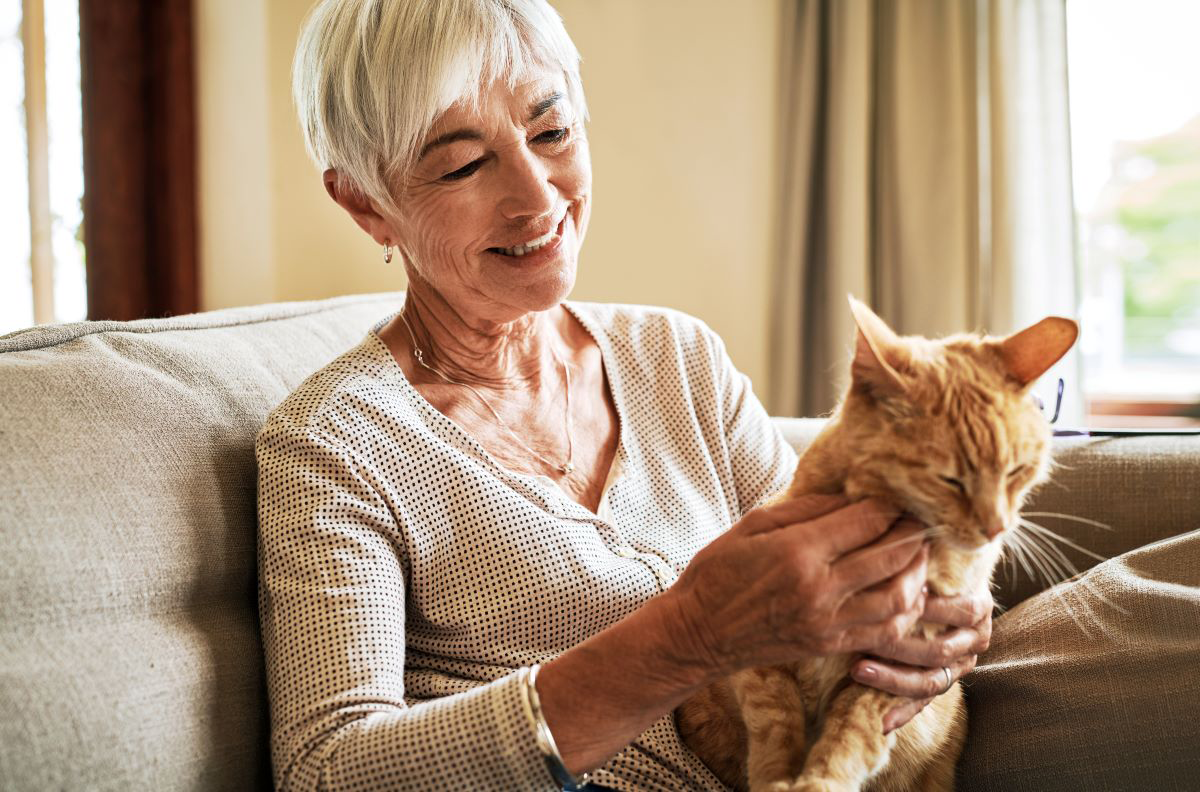
Elderly woman smiling and petting a cat on a couch.

Age or Arthritis? What is Causing Your Cat to Slow Down?

Learn more
Cat Arthritis

Spot the signs of arthritis pain that needs attention

References

* Slingerland LI, Hazewinkel HA, Meij BP, et al. Cross-sectional study of the prevalence and clinical features of osteoarthritis in 100 cats. Vet J 2011;187(3):304-309.

** Gruen ME, Myers JAE, Tena JS, et al. Frunevetmab, a felinized anti-nerve growth factor monoclonal antibody, for the treatment of pain from osteoarthritis in cats. J Vet Intern Med 2021;35:2752-2762.

*** Slingerland LI, Hazewinkel HA, Meij BP, et al. Cross-sectional study of the prevalence and clinical features of osteoarthritis in 100 cats. Vet J 2011;187(3):304-309.

**** Hardie EM, Roe SC, Martin FR. Radiographic evidence of degenerative joint disease in geriatric cats: 100 cases (1994–1997). Journal of the American Veterinary Medical Association 2002;220(5):628-32.