Dog Arthritis
When we think about arthritis in dogs, it's easy to imagine an older companion moving slowly after a long period of rest. But here's something that might surprise you: arthritis doesn't only affect older dogs. In fact, younger dogs can develop joint problems that, if left unmanaged, can significantly impact their quality of life as they age. The key is recognizing those early, often subtle signs that something isn't quite right, so you can take action before minor issues become major problems and support a better quality of life as they grow older.
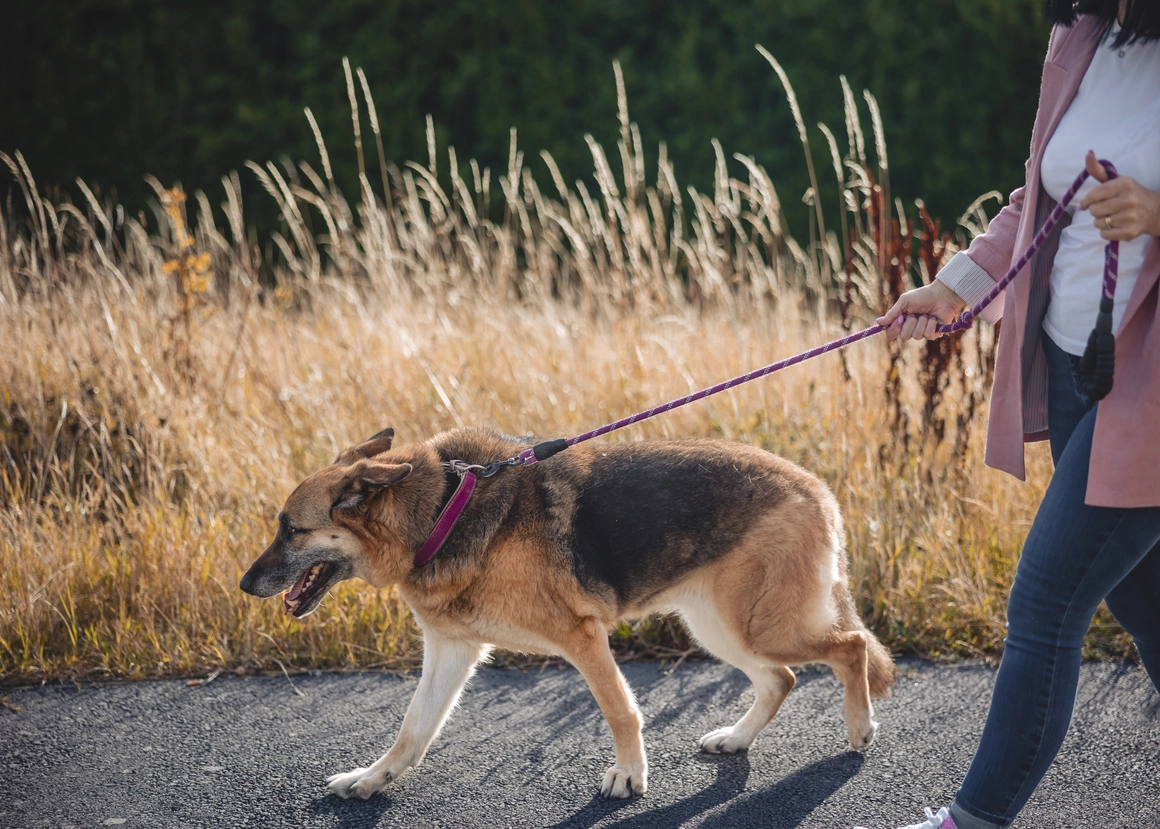
Why do young dogs get arthritis?
Arthritis in young dogs often develops differently than the age-related wear and tear we see in senior pets. While older dogs typically develop arthritis slowly and progressively over time, younger dogs may develop joint problems due to specific underlying causes, such as developmental conditions, injuries or genetic predispositions.
Developmental joint conditions like hip dysplasia, elbow dysplasia or luxating patella (kneecap dislocation) can cause abnormal wear on joints from an early age. Some breeds are particularly prone to these conditions, but they can occur in any dog. Recognizing these challenges early will allow you to take the necessary steps to protect their mobility and comfort.
Previous injuries can also set the stage for early arthritis. That ligament tear from an enthusiastic game of fetch, or the fall that seemed minor at the time, can create long-term joint instability that may lead to arthritis development later.
Genetics and breed predisposition play a significant role too. Larger breeds like Labradors, German Shepherds and Golden Retrievers are prone to developmental joint issues, but smaller breeds aren't immune either.
Weight is another crucial factor. Carrying extra pounds puts additional stress on developing joints, potentially accelerating wear and tear that wouldn't otherwise occur until much later in life.
The tricky thing about early signs of arthritis in younger dogs is that they're often quite subtle. Your once-energetic pup might start avoiding boisterous play with other dogs, show less enthusiasm for games like fetch or tire more quickly during play sessions.
Spotting the early signs of arthritis in young dogs
The tricky thing about early signs of arthritis in younger dogs is that they're often quite subtle. Young dogs are naturally energetic and resilient, so they may continue playing and exercising, even when experiencing discomfort. Here's what to watch for:
Changes in jumping behaviour: Your dog might start hesitating before jumping onto the sofa or into the car, or they might look for alternative routes other than jumping. Some dogs will still jump but land more heavily or awkwardly than before.
Post-rest stiffness: Notice how your dog moves when they first get up after sleeping or resting. A few stiff steps that appear to loosen up quickly might be normal, but prolonged stiffness or obvious discomfort getting moving could indicate joint issues.
Altered play patterns: Your once-energetic pup might start avoiding boisterous play with other dogs, show less enthusiasm for games like fetch or tire more quickly during play sessions. They might also become more selective about the surfaces they'll play on.
Excessive licking or chewing: Dogs often lick or chew at areas that hurt. If you notice your dog repeatedly licking around their joints, particularly their paws, wrists or hips, this could indicate discomfort.
Mood and behaviour changes: Pain can make dogs irritable or withdrawn. You might notice your usually social dog becoming less tolerant of other pets or children, or seeming generally less happy and engaged.
Subtle movement changes: This might be as simple as taking stairs more slowly, preferring to walk rather than run, or showing a slight preference for one leg over another that comes and goes.

Why early detection matters for young dogs' arthritis symptoms
Catching joint problems early in young dogs is crucial because it gives you the best chance of slowing progression and maintaining your dog's quality of life long term. Young dogs' bodies are still adaptable and, with proper management, you can often significantly improve their outlook.
Early intervention also means you can address contributing factors, like weight management and exercise modification, before habits become entrenched. It's much easier to maintain a healthy weight in a young dog than to help an older, less active dog lose excess pounds.
Perhaps most importantly, early detection allows you to work with your veterinarian to develop a comprehensive management plan that can help preserve your dog's mobility and comfort as they age.
What increases the risk of dog joint pain in young dogs?
Understanding risk factors can help you be more vigilant about watching for early signs, especially if your dog falls into higher-risk categories.
Breed considerations: While any dog can develop arthritis, certain breeds have higher predispositions. Large and giant breeds often face hip and elbow issues, while smaller breeds might be more prone to luxating patella or spinal problems.
Rapid growth periods: Dogs that grow very quickly, particularly large breed puppies, can be at higher risk for developmental joint problems. This is why controlled exercise and appropriate nutrition during the puppy period are so important.
Activity level and type: While exercise is crucial for healthy development, certain types of high-impact activities in very young dogs can increase injury risk. Repeated jumping, intensive agility training or long-distance running before the growth plates close can potentially cause problems.
Previous trauma: Any injury to joints, ligaments or bones can set the stage for future arthritis development, even if the initial injury seemed to heal well.
Taking action: what to do if you suspect joint problems
If you've noticed any of the early signs mentioned above, the most important step is to schedule a veterinarian appointment. Your veterinarian can perform a thorough examination, assess your dog's movement and determine whether further investigation is needed. Managing arthritis, especially in younger dogs, often involves a multi-modal treatment plan. This means combining several approaches to support joint health, reduce discomfort and improve mobility. Your veterinarian will tailor this plan to your dog's specific needs, which may include:
Veterinary assessment: Your veterinarian will examine your dog's joints, watch them move, and may recommend X-rays or other diagnostic tests to get a clearer picture of what's happening inside those joints.
Exercise modification: Depending on what your veterinarian finds, they may recommend adjusting your dog's exercise routine. This doesn't mean stopping exercise entirely; controlled, appropriate exercise is crucial for joint health. Instead, it might mean switching from high-impact activities to gentler alternatives like swimming or structured walks.
Weight management: If your dog is carrying extra weight, developing a weight loss plan will be a priority. Even small amounts of excess weight can significantly impact joint stress in young dogs.
Treatment options: If your dog isn't currently on any medication but is showing signs of discomfort, your veterinarian may discuss treatment options that could help manage any discomfort and support joint health. If treatment is recommended, maintaining consistent dosing as prescribed will be important for effectiveness.
Looking forward: managing arthritis in young dogs long-term
A diagnosis of early arthritis doesn't mean your young dog's active days are over. With proper management, many dogs with early joint issues go on to live full, comfortable lives. The key is working closely with your veterinarian to develop a plan that addresses your dog's specific needs and adjusting that plan as they grow and age.
Regular check-ups are important when managing joint issues in young dogs. This allows your veterinarian to monitor progression and adjust management strategies as needed.
Remember, you know your dog best. Trust your instincts if something seems off, even if the signs are subtle. Early intervention can make a tremendous difference in your dog's long-term comfort and mobility.
If you're concerned about any changes in your young dog's movement or behaviour, don't wait to see if things improve on their own. Use our arthritis online assessment to help identify potential concerns, and contact your veterinarian to discuss your observations. When it comes to joint health in young dogs, early action is always better than waiting to see what develops.
Explore more on these topics




Select a country and language
Regulatory constraints and medical practices vary from location to location. Consequently, the information provided on the site in which you enter may not be suitable for use at your location.
Asia Pacific


Europe

België
Nederlands
Belgique
Français

Deutschland
Deutsch

Ελλάδα
Ελληνικά

España
Español

France
Français

Ireland
English

Italia
Italiano

Magyarország
Magyar

Nederland
Nederlands

Polska
Polski

Portugal
Português

Romania
Romanian

Sverige
Svenska

United Kingdom
English
Latin America

Argentina
Español

Brasil
Português

Chile
Español

Colombia
Español

Ecuador
Español

México
Español

Perú
Español
North America

You are visiting Zoetis Pets
What would you like to do?
You're visiting Zoetis Pets
What would you like to do?