Cat Parasites
Take a look at some other important feline pet health topics you may want discuss with your veterinarian. Click the topic to see expanded information.
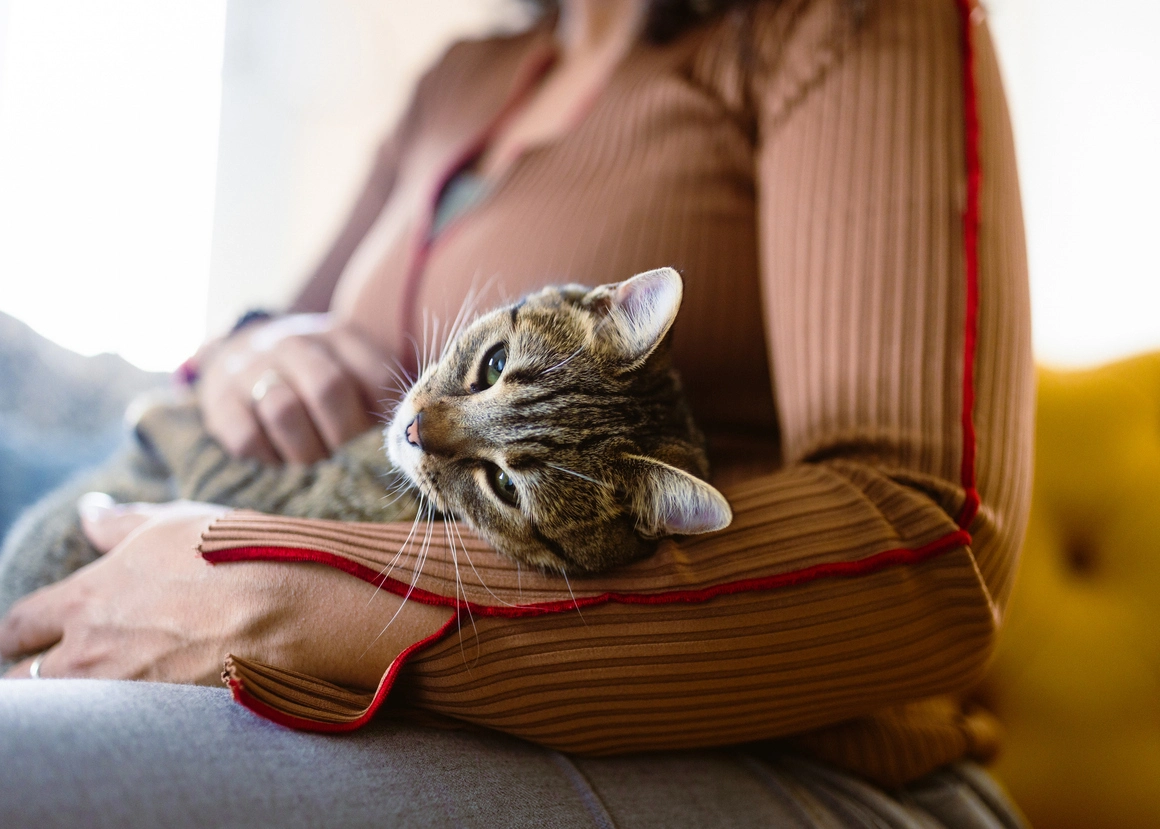
The best food for your cat is based on age, breed, health status, strictly indoor or not, and activity level, your veterinarian can help with making that decision. Cats require an essential amino acid called taurine which is necessary for normal heart function, vision, and reproduction. Other animals like dogs can make taurine from other amino acids in the body, but cats cannot. Since taurine is only found in animal protein, cats need meat-based diets to meet their nutritional requirements. They are considered strict carnivores, and therefore cannot survive on a vegetarian diet. Make sure you give measured portions as directed by the staff at your veterinary clinic. Use the same cat food consistently, since variety can lead to uncomfortable digestive upset.
Each cat is different and therefore may require different feeding styles and schedules. Some cats prefer to be fed in meals but others prefer to nibble at food all day. If you have more than one cat, you may need stick to individual feeding format since different cats may require different diets to keep them healthy. Keeping a bowl full of food can lead to weight gain and obesity, especially in a multi-cat household. Talk to your veterinarian about different feeding strategies to keep your cat(s) healthy for a long time!
Your cat should always have free access to fresh, clean water that needs to be changed daily. Some cats prefer to drink from water fountains. You can usually find these in veterinary clinics or pet supply stores. Avoid giving your table scraps to cats, some foods meant for human consumption can cause harm to your cat. Offering milk or milk products can result in vomiting, gas and diarrhea since cats lack the enzyme lactase, that helps breakdown lactose in milk.
Frequently asked questions about nutrition and exercise
Should I worry about my cat’s weight?
Obesity in cats is very common in North America. It puts them at increased risk for several chronic conditions, such as diabetes, osteoarthritis, and Hepatic Lipidosis, a very serious disorder. Help your cat achieve and maintain a healthy weight by finding the right balance between food and exercise. Watch your cat’s weight and body condition and talk to your veterinarian to determine what and how much your cat should be eating each day. As a general rule, treats should be given in moderation and should represent no more than 10% of a cat’s daily food intake. The majority should come from a nutritionally complete cat food.
How can I be sure my cat gets plenty of exercise and play?
When we consider exercise and activity for cats, one of the first questions that pop up is whether cats should be kept strictly indoor or should they be able to go outside. This is a very important decision that needs to be discussed with your veterinarian as these lifestyles can have both risks and benefits. Click here to learn more about the risks of an indoor vs. an outdoor lifestyle for your cat. Regular activity for your cat will help ward off obesity and can prevent undesirable behaviour by providing both physical and mental stimulation.
Whether cats are strictly indoors or go outside, play should be included to build a bond and provide more chances to burn energy. Cats often like to play in the early morning or later in the evening, often when we are trying to rest. Schedule play time before and after a work day so that everyone’s needs are met.
There are an overwhelming number of options available as toys and games for cats. Talk to your veterinarian about which ones are cat safe and stick to toys that were made for them, including balls, toy mice, fishing-rod style toys, etc. It is a good idea to have several toys on hand and switch them up after a few days to maintain interest since cats enjoy a variety.
Be aware that your cat may not be able to distinguish a toy from something that could pose a danger, for example, balls of yarn, sewing thread/string, dental floss and even holiday tinsel can look like fun to them but may have serious consequences if swallowed.
What about indoor exercise?
When we choose to make our cats indoor companions, we have a responsibility to provide the stimulation, play, and exercise that nature would have provided outdoors. Some of the things to offer your cat with are several scratching and climbing posts, ledges that they can climb on, and even access to elevated playing areas. You can purchase a variety of cat “playhouses” or adapt indoor spaces with accessible areas where cats can climb and play.
Things that can stimulate your cat to move around include hiding small toys and treats in some of the play areas, throwing small cat balls or even playing with a laser pointer! Taking responsibility of our cat’s activity and exercise is an important step in ensuring that they have a happy and healthy life.
Kitten-proofing your home
Congratulations on your new kitten! As you welcome this new addition to your home, you need to makes sure it’s a safe place for this curious and lively little friend.
Here is a list of some common household items that may pose a danger to your kitten:
- Batteries
- Blind/Drapery cords
- Breakable objects
- Compost and garbage
- Electrical cords
- Garbage disposal unit (i.e., garburator)
- Household cleaning products
- Magnets
- Plants
- Screens/windows
- Plastic wrap and plastic bags
- Nylons, socks and towels
- Medications or supplements ("childproof" does not mean "petproof")
- Sharp objects such as a knife, needles, pins, razors, tacks, and toothpicks
- Small objects such as jewelry, staples, paper clips, coins, cotton swabs, hair pins, buttons and twist ties
- String-like objects such as string, yarn, ribbon, thread, tinsel, dental floss, and rubber bands
- Sponges
- Toilet — keep the bathroom door closed and lid down
- Washer, dryer, refrigerator, freezer, and drawers — keep doors closed!
Keep in mind this list is not complete – for kittens, everything is fair game!
You can find a complete list of substances poisonous to cats (including those listed above) at www.petpoisonhelpline.com/poisons/. If your kitten eats something you are not sure is safe, call the Pet Poison Helpline at 1 800 213 6680 or your veterinarian right away to see if medical attention is needed.
Common cat poisons
- Topical spot-on insecticides. Make sure you never use dog flea and tick products on a cat!
- Antifreeze or ethylene glycol
- Household cleaners
- Antidepressants
- Lily plants
- Insoluble oxalate plants (e.g., Dieffenbachia, Philodendron, etc.)
- Human and veterinary non-steroidal anti-inflammatory drugs
- Acetaminophen (e.g., Tylenol® and cough/cold medications)
- Glow sticks
- Amphetamine human drugs — ADD/ADHD medications like Adderall® and Concerta®
- Mouse and rat poisons (rodenticides)
How can I keep harmful items away from my kitten?
Here are some tips:
- Keep hanging cords, such as those for blinds or curtains, tied or coiled out of reach.
- Store or secure delicate objects, your kitten may accidentally knock over and break fragile times, and the broken pieces may cause injury.
- Use a trash can with a locking lid, or store your trash under the sink. Be especially mindful when disposing bones since these are attractive to cats and can be harmful to their intestinal tract.
- Check inside the washer and/or dryer before closing the door, these are very tempting hiding spots for kittens and cats. This is also true for refrigerators, freezers and even cabinet drawers. Keep them closed when not in use.
- Electrical cords are especially alluring hazard for kittens, unplug them when not int use and deter chewing by placing them in a cord protector.
- Cover garbage disposal switches. Cats may play with electric switches, such as the one for a garbage disposal unit.
- Childproof latches can prevent your curious kitten/cat from opening drawers and cabinets, while keeping potentially dangerous foods and cleaning supplies out of reach.
- Keep all medications, both over-the-counter and prescription (human and animal), in a secure cabinet and be sure to pick up any dropped pills.
- Place dangerous plants out of your cat’s reach. Better yet, do not have them in the house at all.
- Put all small and stringy things out of reach or inside a cabinet or drawer.
- Cleaning sponges often retain food smells and are attractive to cats. Cats may chew the sponges into pieces which when swallowed may lead to an intestinal obstruction.
- Make sure your door and window screens are secure and have sturdy latches.
- Remove tablecloths from tables when not in use; kittens may be curious about what is on the table and try to climb the tablecloth.
- Always keep the bathroom door shut or the toilet seat cover down since a curious kitten could fall into the toilet and be unable to get out.
Other things poisonous to cats:
Foods
- Chocolate
- Onions, garlic, leeks and chives
- Unbaked bread dough
Medications/plants
- Jimson weed, also known as devil’s trumpet
- Sago palms
- Lily plants (e.g., Easter, day, tiger, Japanese and Asiatic varieties)
- Tobacco
Chemicals
- Batteries
- Detergents and fabric softener sheets
- Ethylene glycol, found in antifreeze
- Fertilizers, including bone meal, blood meal and iron-based products
- Insecticides and pesticides, especially those that contain organophosphates (e.g., disulfoton, often found in rose care products)
- Kerosene, gasoline, and tiki torch fluids
- Metal or coins (ingestion of even a single zinc penny can lead to zinc toxicity)
- Strong acidic or alkaline cleaners, like toilet bowel cleaners, lye, drain cleaners, rust removers, and calcium/lime removers
- Mothballs (especially if they contain naphthalene)
- Windshield wiper fluid/antifreeze
How can I be prepared for a medical emergency?
Pet health items to keep on hand
As hard as we try to protect our pets from harm, accidents and emergencies happen. Therefore, it’s best to be well prepared.
-
Have your veterinarian clinic’s and the local emergency clinic’s contact information available
-
There are pet focused first aid classes or first aid manuals available, please discuss with your pet’s care team for guidance on their recommendations.
-
Feline first aid kit
Buy a feline first aid kit or gather basic medical supplies yourself and keep them in a water-resistant container. Store the kit where it is easy to access.
Your feline first aid kit
A cat's first aid kit could include:
- Bottle of sterile saline solution (for flushing eyes and wounds)
- Disinfectant (such as chlorhexidine 0.05%)
- Small tube of triple antibiotic ointment (for skin abrasions)
- Gauze, cotton roll and bandage tape
- Cohesive bandage cover, such as VetWrap
- Bandage scissors (i.e., with blunted blade tips)
- Tongue depressors (for splinting)
- Tweezers
- Latex gloves
Start with the list above and then talk to your veterinarian about other recommended supplies to include, if any.
If you are unsure of what to do for your cat in a medical emergency, call your veterinarian for advice, and be ready to take your cat to a local veterinary clinic or animal hospital immediately.
Brush frequently
Cats look after their own coats quite well. Their rough tongues are like mini brushes, removing dead hair and distributing oils through the coat. However, they still need a helping hand. Regular brushing sessions will help keep the bond with your cat, as well as maintain your cat’s hair by preventing tangles, mats, and prevent shedding. It also allows you to check for the presence of skin lesions, parasites and lumps.
If your cat has short hair, you should to brush them at least once a week. Use a metal comb and work through the fur from head to tail, then use a bristle or rubber brush to remove any dead and loose hair.
If your cat has long hair, you may need to brush them daily. Comb the belly and legs, be sure to untangle any knots, then brush their fur in an upward motion with a bristle or rubber brush. To brush the tail, make a part down the middle and brush the fur out on either side. Remember: any fur on the brush is fur that won’t transfer to furniture so brushing your cat will keep your house cleaner too!
Clip nails
Indoor cats do not wear down their claws as quickly as outdoors ones do, so they can overgrow. If left untrimmed they can grow into a cat’s foot pads, leading to infection, pain, and difficulty walking. Declawing is no longer viewed as an acceptable option for cats except in very specific circumstances. Check your cat’s claws every couple of weeks to see if they need to be clipped. It is a good idea to get your cat used to having their feet touched before you attempt a nail trim.
You can get kittens and even adult cats used to having their feet touched by handling their feet and offering them rewards like favourite treats when they cooperate. Never use scissors to trim your kitten’s claws. Use special cat nail clippers. Have your veterinarian or groomer show you how to handle these clippers correctly, to avoid cutting the vein in the claws. If you have any doubts, have your veterinarian or groomer do the trimming.
Clean teeth
It can be a tricky to brush your cat’s teeth! Your best hope is to start when they are still kittens. Begin by first allowing your cat/kitten to lick the toothpaste, and then gently start applying the paste on the easily accessible front teeth. Use gauze pads or a soft rubber cat toothbrush along with toothpaste made specifically for cats. With your cat on your lap, rub your finger or toothbrush on a tooth, concentrating on the area adjacent to the gums. You only need to brush the outside of your cat’s teeth. There are different flavours of cat toothpaste, so talk to your veterinarian about the different options.
Bathe if necessary
Short-haired cats do not need to be bathed, unless they become soiled or have a skin condition. For long-haired breeds, the occasional bath may be beneficial, please discuss with your veterinarian team for best advice on technique and safe cat products.
What about the ears?
Ear health management for cats is individual, please discuss with your veterinarian how often to check on ears and if ear cleaning needs to be performed. If warranted, ask your vet team to show you how to clean your cat’s ears properly and advise you on best cleaning solutions to use. Avoid use of cotton swabs as they can cause harm if pushed too deep.
Your kitten’s early experiences
Cats have a very short socialization phase — the first 4 to 16 weeks of your cat’s life is an important period for behavioural and social development.
Usually, kittens are weaned around 6-8 weeks of age. This is around the age your new kitten will move into your home with you. By this point they have hopefully already had lots of human contact, which is important for a kitten to grow into a loving, happy, and confident cat.
When your kitten first arrives in your home with you, it can all be a bit overwhelming for them. It is recommended to introduce your kitten to a single room where you can put food/water bowls, toys and a litter box. Give your kitten lots of love and comfort — pet them gently, talk to them softly in a calm voice. Playing is also a great way to socialize your kitten and to form a bond with them early on in your relationship. Don’t be afraid to get lots of different types of toys to find the one your kitten loves the most. Use safe toys that you can get from your veterinary clinic or pet supply store.
It is a good idea to introduce your young kitten to different people including children. This will help avoid them developing a fear of strangers later in life. Get your kitten used to strangers but be careful that they do not scare or overwhelm the kitten.
Before introducing your new kitten to other pets in your household, visit your veterinarian to be sure they are healthy. It is also a good idea to make sure all your other pets are healthy and that all of their vaccinations and parasite control are up-to-date.
New kittens can sometimes have parasites such as ear mites, fleas and intestinal worms, or may carry a virus like feline leukemia and should not be introduced to the household before being checked if you already have cats in the home. If you have to take in a new kitten before going to the veterinarian, make sure that you keep him in a separate room, avoid all contact between pets, and wash your hands thoroughly after touching the new kitten. After your veterinarian gives the okay, you can start introducing your new kitten to your other pets gradually and one at a time. To help with the first encounter you can try keeping your new kitten in a carrier or behind a gate so the pets can smell each other safely. During the introduction, separate the pets at any sign of aggression. Never leave your new kitten unsupervised with any of your other pets until you are certain they get along well. Keep smaller pets, such as hamsters, fish and birds in their cage or aquarium safely out of reach. It can take some time for pets to adapt to each other so be patient. It may take longer for resident adult cats to accept a new addition to the family. Make sure your other cats also have access to a “safe place” away from the kitten such as a bed in a higher area, or a separate room in the house.
Kids and cats
It is really important for young kittens to interact with children early on. A cat may reject or bite kids later if they have not become used to them early on.Small children should not pick up young kittens. Kittens sometimes try to wiggle out of a restraint so they can easily fall out of a young child’s arms. Sometimes they can even scratch or bite. It’s a good idea to have a small child sit on the ground to hold a kitten, and be taught to let the kitten go when it wants to.
Teach kids to be gentle
A cat is NOT a stuffed animal; it hurts if they pull their hair, tail or ears. It is important to teach children to treat cats gently. Some cats do not want to be held, but they may sit next to a child who is gently petting the cat or offering treats. Remember that a cat should always be allowed to leave when they want to.
Teach kids appropriate behaviours around cats
Children want to hug cats or hold them a bit too tight. It’s normal – children love cats! But sometimes cats find this threatening, and can potentially scratch or bite. It is good to teach children to let the cat approach on their own terms and to pet lightly. Screams and noise can be especially stressful to cats, so children should also be cautioned and taught to talk in a quiet “kitty voice”, so the cat is more inclined to come near. Make sure that your cat has a “safe place” or retreat they can go to when they have had enough interactions with a child. This can be a cat house or an elevated bed. It is important to teach children to respect the cat’s safe haven.
Show kids how to properly give treats to a cat
You can choose a tasty treat your cat adores but ONLY gets from children. Have children place the treat in an open palm, rather than holding it in fingers to avoid an accidental bite. Children will sometimes like throwing the treat so that the cat will “fetch”. This can be fun and encourage exercise. Just make sure they are doing it in a fun and gentle way!
Supervising play between your cat and kids
Always supervise interactions between a child and your cat so that neither one accidentally injures the other. A safe toy for children to play with cats is a “fishing rod” type toy that you can find in veterinary clinics or pet supply stores. This puts children at a safe distance from the cat’s claws, and most cats absolutely love this kind of toy! Never encourage a cat to play with hands and fingers or hair. Kittens especially have really sharp claws. Keeping your cat’s claws trimmed can help with preventing unwanted scratches during play.
Be patient — Build positive experiences over time and there will be love to last a lifetime.
Your new cat may need some time to feel comfortable with children. Your cat must also learn which behaviours on their part are appropriate and which ones are not. Punishing your cat for inappropriate behaviour will not help, and will likely be detrimental to any kind of bond.
If they learn that being around children continually results in “bad things” and punishment, they may become defensive in the presence of all children.
If your cat is growling, hissing or bites a child, make sure that you separate them immediately. Talk to your veterinarian about managing the behavioural problem in your cat.
What about litter boxes?
Just as important as socialization for a happy, healthy kitten, so are all things litterbox! Location, litter selection, number of boxes, and how often to clean them are important to enjoy a happy life with your cat. Starting healthy habits early on will help prevent problems in this area, as house soiling cats are the most common behavioural problem causing pet owners to euthanize or abandon their cats. Did you know that it’s instinctual for cats to want to be clean and tidy and bury their waste? Setting up good litterbox habits for your kitten now can prevent issues later in their lifetime. Most cats prefer to dig and scratch prior to elimination and like toperform a ‘burying’ ritual after elimination. Providing a clean, easily accessible spot and a litter type amenable to digging is all that is usually needed to keep your cat happy, and ‘going’ where you want him to.
Here are a few tips:
- Start with the right box. Cats prefer uncovered litterboxes. Size is important too, remember your small kitten now will grow into a full size adult quickly. Older cats may need a box with lower sides, so they can get in easily. Plastic sweater storage containers make excellent litterboxes.
- Keep it clean! Scoop litter daily, and change out the litter monthly, or as needed. Wash out the box with hot water and a mild unscented soap, if needed, but do not use harsh cleaners. Cats sense of smell is very sensitive, so they don't like the scent of bleach and other household cleaners, and so they will avoid using the 'clean' box. Most litterbox aversion issues are due to litterboxes not being scooped on a regular basis.
- Use the 1 + 1 rule: 1 litterbox per cat, plus 1. So, if you have 1 cat, have 2 litterboxes. If you have two cats, you need 3 litterboxes, three cats, you need 4 litterboxes, and so on.
- There are many different types of litter. You can put different types into the different boxes and see which type your cat prefers. The most commonly used is clay clumping litter, just be sure to get a dust-free kind, and carbon based, if possible, to help with odour. Use unscented litter. Always! Most cats like a shallow bed of litter. 1-2 inches deep is plenty for most cats.
- Make sure the litterboxes are in an easily accessible location. If its near the furnace that makes a loud noise, it might scare your kitten and he won't want to go back there. Households with multiple cats can present additional challenges, as there may be a rather bossy cat that prevents access to a younger cat. Placing boxes in multiple locations can help with this.
This is an ongoing debate when owning a cat. Many factors need to be considered and discussed with your veterinarian as you make a decision: including city by laws or regulations, your home, and your neighbourhood.
What are the risks of keeping cats indoors vs. outdoors?
Risks of outdoor lifestyle
- Accidents involving vehicles
- Exposure to poisons or toxins
- Injuries involving fights with other animals like other cats, dogs, and wildlife
- Infectious diseases contracted from other cats: FIP, FeLV, URIs
- Parasites such as fleas, ticks, mites, intestinal worms
- Becoming lost or disappearing
Risks of indoor lifestyle
- Lack of exercise and obesity, potentially leading to long-term health issues
- Behavioural problems such as anxiety and aggression
- Normal but undesirable behaviours such as spraying and clawing
The average life span may be shorter for an outdoor cat with more risks, but some think that it may be “happier” due to increased activity and many stimuli. But, if you decide to keep your cat indoors, there are now many options to enrich his/her home environment including different toys, shelves placed high on the wall, window beds, and wonderful ideas for hiding places.
Microchipping offers reassurance should your pet become lost. Microchipping permanently identifies your pet with a very small device that is about the size of a grain of rice. It is embedded underneath your pet’s skin, usually between the shoulder blades. The microchip is encoded with unique information about your pet, which links to a national pet database. If your pet is lost, the microchip can be scanned, and may help reunite you. Remember to keep information updated with the microchip company, including new owner details, changes of address or phone numbers.
Even if you keep your cat indoors, microchipping is still advised! Doors can get left open, screens can come loose, a person doing work on your home or a guest may accidentally let the cat out. No matter how careful you are, there is a chance your cat could get out, and without identification their chances of getting home are diminished.
Microchipping is generally done at an early age, and your kitten may already be microchipped when you get them. Ask your veterinarian for further details about microchipping at your cat’s first check-up.
Explore more on these topics



Select a country and language
Regulatory constraints and medical practices vary from location to location. Consequently, the information provided on the site in which you enter may not be suitable for use at your location.
Asia Pacific


Europe

België
Nederlands
Belgique
Français

Deutschland
Deutsch

Ελλάδα
Ελληνικά

España
Español

France
Français

Ireland
English

Italia
Italiano

Magyarország
Magyar

Nederland
Nederlands

Polska
Polski

Portugal
Português

Romania
Romanian

Sverige
Svenska

United Kingdom
English
Latin America

Argentina
Español

Brasil
Português

Chile
Español

Colombia
Español

Ecuador
Español

México
Español

Perú
Español
North America

You are visiting Zoetis Pets
What would you like to do?
You're visiting Zoetis Pets
What would you like to do?