Dog Skin Conditions
References
1. Gober M, Amodie D, Mellencamp M, Hillier A. Long term use of lokivetmab (Cytopoint®) in atopic dogs. BMC Veterinary Research. 2025 Mar 26;21(1):203.
Any pet parent whose dog suffers with canine allergic dermatitis knows it can lead to recurring skin flare-ups and persistent scratching. With many treatment options available, management can feel complicated and time-consuming.
But ignoring skin disease is not an option, as poor management will severely impact your dog’s quality of life.1 Cytopoint has the potential to change your dog’s future by simplifying treatment and making their symptoms easier to manage.
For the best results, Cytopoint requires consistency, with quick, monthly veterinary visits. To understand how to use Cytopoint, we will explain how Cytopoint is given, when each dose should be repeated, and why giving the next dose at the right time is essential when treating your dog’s skin disease.
Keeping your dog’s skin healthy when they suffer from skin disease often involves giving multiple tablets every day, alongside regular shampoos, creams, and ear drops. This is time-consuming and can be difficult to fit in around busy family life.
Cytopoint offers tablet free option for managing skin disease, that may be better suited for your lifestyle.
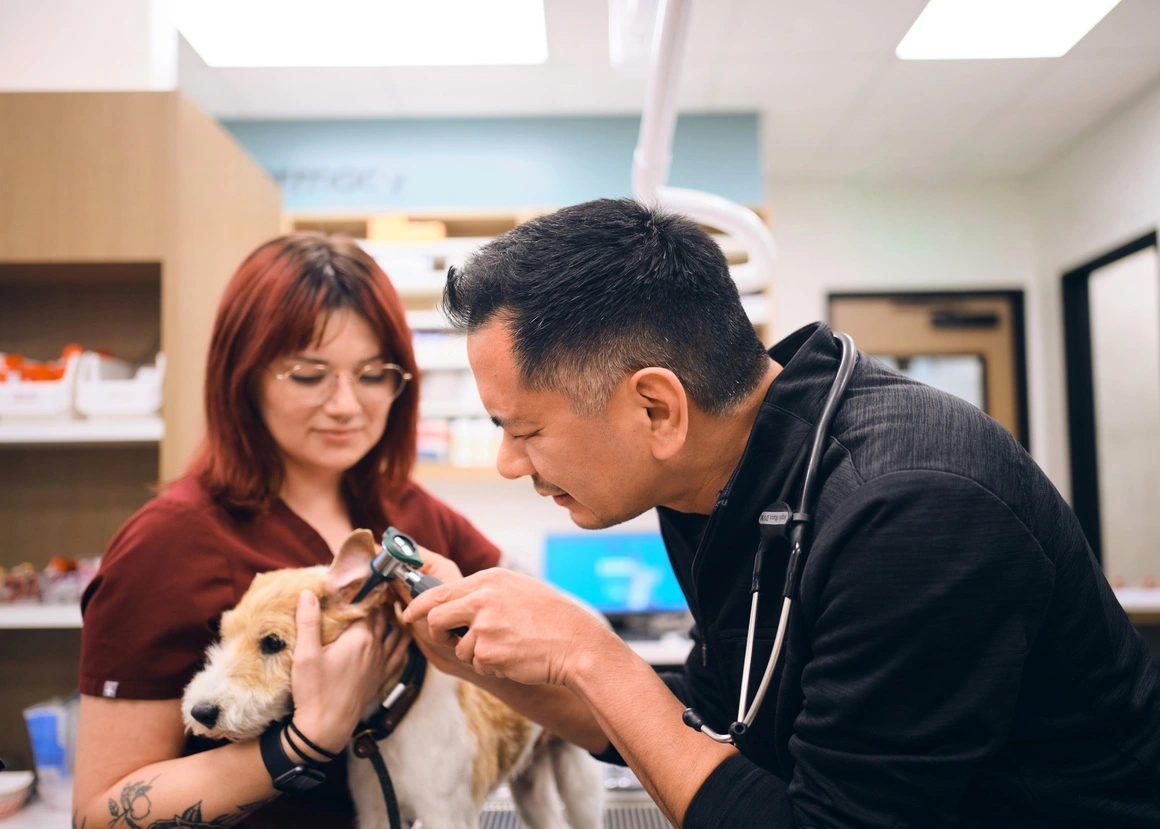
As Cytopoint is given regularly as a quick injection at your vets, and might reduce the need for additional medication, both you and your pet regain freedom in your daily routines. The injection is virtually painless and given under the skin, in the same way your dog’s vaccinations are given.
Cytopoint can also be used alongside other medications, making it a suitable option even if your dog has additional health conditions or requires further treatment for skin flare-ups.1
To remain effective, Cytopoint doses do need to be repeated periodically, every 1 month after your dog’s previous dose.1 When timing the next dose, it is important that you follow your vet’s recommendations and do not wait for your dog’s itching to return, as Cytopoint works best when given before skin signs restart.
To help you keep on top of your dog’s Cytopoint appointments, ask your vets to book your next dose each time you visit. Most vets will also send you handy reminders of any upcoming appointments, so you only need to think about your dog’s skin disease once a month.

Cytopoint is a monoclonal antibody that helps stop your dog’s itching by blocking interleukin-31, a key molecule that triggers itch. Over time, the antibody levels naturally decrease, so to keep your dog comfortable and itch-free, Cytopoint should be given monthly.
Delaying your dog’s next Cytopoint dose, risks your pet becoming itchy again, resulting in scratching, skin trauma and painful skin lesions developing, which often require additional veterinary care. Instead, when used regularly, Cytopoint can improve your dog’s quality of life, giving you both the freedom to start enjoying life again.
Set up medication reminders for your pet to ensure they never miss a dose.
Regulatory constraints and medical practices vary from location to location. Consequently, the information provided on the site in which you enter may not be suitable for use at your location.


What would you like to do?
What would you like to do?