Dog Skin Conditions
Dog Skin Conditions
Cytopoint: How it works and what it treats
Treating allergic skin conditions in dogs can be frustrating. You are often tied to limited to multiple daily medications and time-consuming shampoos, wipes, and sprays in a desperate attempt to stop your dog from continually scratching and tearing their skin apart. Until now!
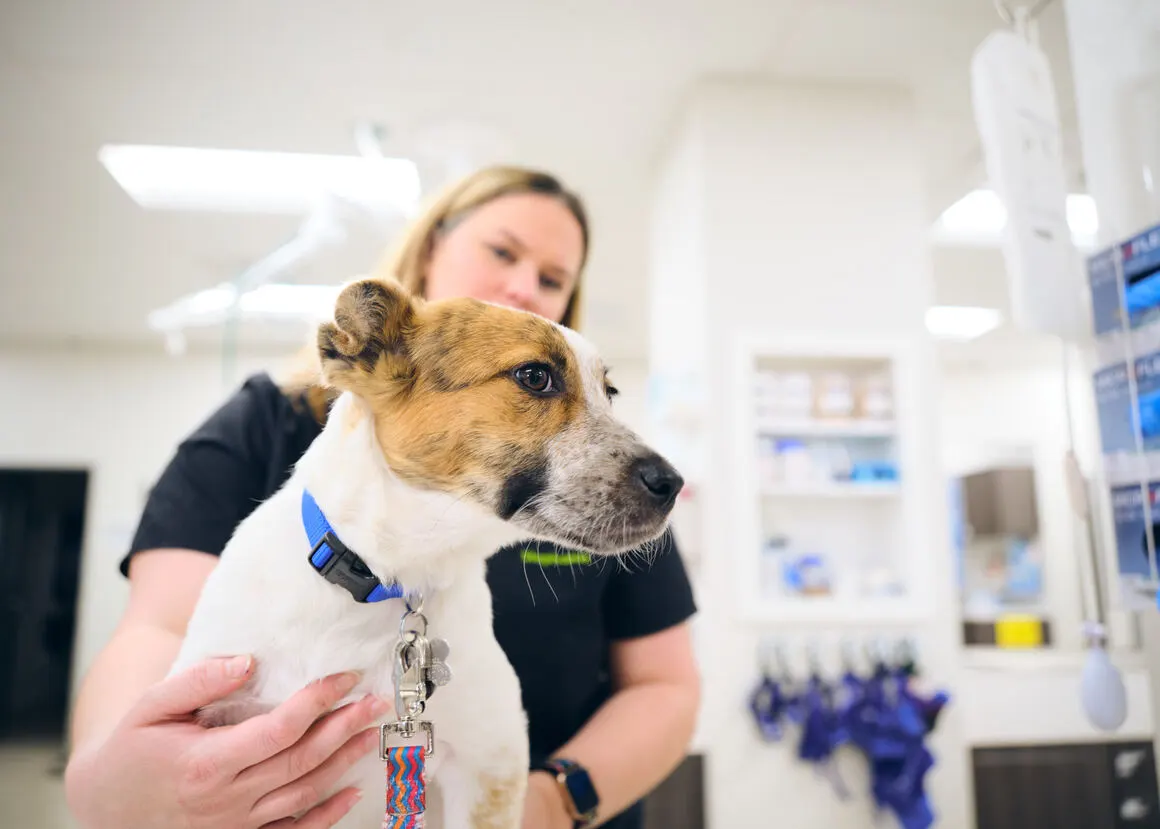
Now your dog can benefit from Cytopoint (Lokivetmab), a monthly treatment that helps keep debilitating itching away, giving you and your dog the freedom to start enjoying life again.1 But first, we will help you understand how Cytopoint can reduce your dog’s itchiness, why it differs from other treatments you have already tried, and which skin conditions it can treat.
Understanding itchiness and how to treat it
Why is my dog so itchy?
Watching your dog continually scratch and traumatise their skin is not only distressing for your dog, but it can be highly upsetting for you to see your pet so uncomfortable. This persistent itch felt by dogs with skin disease is caused by a range of inflammatory molecules, including itch-signal protein (interleukin-31). When interleukin-31 binds to its receptors in the skin, messages are sent to the brain that result in your dog feeling an itch sensation.1, 2
Cytopoint can stop the itching
The monoclonal antibodies in Cytopoint specifically target and block interleukin-31. This prevents interleukin-31 from binding to receptors in the skin—its target site—and stops the itch signal from reaching the brain. In this way, Cytopoint helps break the itch cycle, giving your dog relief from itching and allowing their skin a chance to heal.1
What skin conditions does Cytopoint treat
Cytopoint can treat allergic dermatitis and atopic dermatitis.3 Both can be life-long conditions that result from a dog’s immune system responding inappropriately after contact with a specific allergen. Unfortunately, these allergens are usually widespread within the environment, making them difficult to avoid. This results in the debilitating skin signs and continual itching you are far too familiar with. Cytopoint acts to eliminate this persistent itching, giving your dog’s skin chance to recover, improving their quality of life.1, 2
Does Cytopoint always work?
For dogs whose itchiness is heavily caused by interleukin-31, Cytopoint can be a life-changing treatment.
Cytopoint is great at stopping IL-31 dependent itch, but some dogs have skin disease that is very complicated meaning sometimes Cytopoint needs to be used in combination with other therapies.
Skin disease is complex and no one treatment works for all dogs. If you think your dog's skin isn't improving as you'd expect, do talk to your vet.

What makes Cytopoint different to other skin treatments?
You may feel like you have tried every treatment possible to help relieve your dog’s itching, so why is Cytopoint different, and will it really provide your dog a source of comfort?
Cytopoint is a monoclonal antibody
Cytopoint is an exciting medication because it is the first and only monoclonal antibody treatment approved to treat skin disease in dogs in the UK.
Unlike other skin treatments, monoclonal antibodies are unique because they are biological proteins that work by blocking a natural chemical messenger (interleukin-31) involved in your dog's itching.
The protein in Cytopoint is broken down naturally, alongside other proteins in the body, helping to reduce the risk of side effects.`
Fast Acting Treatment
When your dog is frantically scratching at their skin, you want a treatment that will start working quickly. Many owners will see a reduction in their dog’s itching within 24 hours after their first Cytopoint treatment, so you can be reassured that your dog will soon be feeling more comfortable.3
References
Gober M, Amodie D, Mellencamp M, Hillier A. Long term use of lokivetmab (Cytopoint
®) in atopic dogs.
BMC Veterinary Research. 2025 Mar 26;21(1):203.
https://pmc.ncbi.nlm.nih.gov/articles/PMC11938560/ Gober M, Hillier A, Vasquez-Hidalgo MA, Amodie D, Mellencamp MA. Use of cytopoint in the allergic dog.
Frontiers in Veterinary Science. 2022 Jul 19;9:909776.
https://www.vmd.defra.gov.uk/productinformationdatabase/files/SPC_Documents/SPC_2169234.PDF
Explore more on these topics